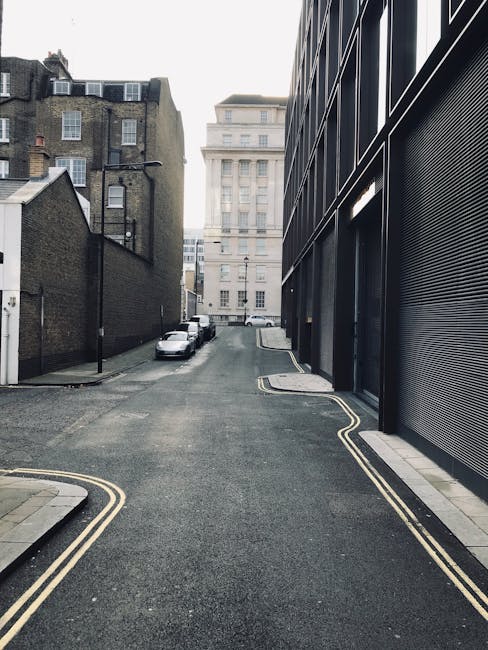
Access problems for West London waste removal on narrow streets
If you have ever tried to organise waste removal on a tight West London street, you already know the awkward bit is rarely the rubbish itself. It is the access. A van that cannot pull in properly, residents who need to get past, low branches, parked cars, loading restrictions, a basement flat with a long stairwell, or a mews road barely wide enough for a careful reverse... it all adds up. And in West London, that mix is common.
This guide explains access problems for West London waste removal on narrow streets in plain English. It covers what causes delays, how professionals work around them, what to prepare before collection day, and how to avoid the small mistakes that turn a straightforward clearance into a frustrating one. If you are comparing options or simply trying to understand what to expect, this will help you plan properly and breathe a bit easier.
Table of Contents
- Why access problems matter
- How narrow-street waste removal works
- Key benefits and practical advantages
- Who this is for and when it makes sense
- Step-by-step guidance
- Expert tips for better results
- Common mistakes to avoid
- Tools, resources and recommendations
- Law, compliance and best practice
- Options, methods and comparison table
- Case study or real-world example
- Practical checklist
- Conclusion
- Frequently asked questions
Why access problems for West London waste removal on narrow streets Matters
Access is not a small detail. It shapes the whole job from start to finish. On a wide road, waste teams can often park, load, and leave without much drama. On a narrow street, especially in places like Maida Vale, Notting Hill, Bayswater, or parts of Fitzrovia, the same job can need more thought, more time, and sometimes a different vehicle strategy altogether.
Why does this matter? Because poor access can lead to missed collections, extra labour, higher costs, inconvenience for neighbours, and, frankly, a much grumpier day than necessary. It can also create safety risks if people start carrying heavy items around awkward corners or squeezing bags past tightly parked cars. Nobody wants a fridge wobbling along a narrow pavement at 8 a.m. while commuters and cyclists are trying to get by.
In local terms, access problems matter even more in mixed streets where residential homes, flats, small offices, and independent shops sit side by side. One entrance might be simple. The next might involve a basement staircase, a tight courtyard, or a road with almost no turning space. That is very West London, to be fair.
Practical takeaway: good waste removal on narrow streets is not just about lifting and loading. It is about planning the route, the vehicle, the timing, and the handover points before a single item is moved.
How access problems for West London waste removal on narrow streets Works
The basic process is simple: assess the access, match the job to the vehicle and crew, then move waste in the safest and most efficient way possible. The difference on narrow streets is that the assessment becomes much more important.
1. Access is checked before arrival
A decent clearance team will want to know the road width, whether there is controlled parking, whether there are bollards or height restrictions, and how far the waste is from the vehicle. Photos help. Short videos help more. It is one thing to say "the van can get close"; it is another to show the one stubborn corner that makes reversing impossible.
2. The collection method is adjusted
On a narrow street, teams may use smaller vehicles, park further away and carry items by hand, split the load into several passes, or schedule the collection when the road is quieter. For some jobs, especially with bulky items, the access plan is more important than the item list.
3. The route from property to vehicle is made safe
This part sounds obvious, but it is where many problems begin. The team needs a clear route through hallways, front steps, shared entrances, or alleys. Loose cables, bikes, plant pots, and bins in the way can all slow things down. On a busy morning, even a small obstruction can turn into a right faff.
4. Loading is done with local conditions in mind
If the waste is heavy or awkward, such as broken wardrobes, builders' offcuts, or old appliances, the crew needs enough space to manoeuvre without damaging walls, windows, kerbs, or parked vehicles. A careful team will move slower when the setting demands it. That is not inefficiency. That is professionalism.
If your clearance involves mixed waste from a renovation or refurbishment, it may be helpful to look at builders waste removal alongside wider waste removal options, because access planning tends to be more complex once heavier materials are involved.
Key Benefits and Practical Advantages
Good access planning is not just about avoiding hassle. It creates a cleaner, safer, more predictable service. And in a city like London, predictability is gold.
- Less disruption for neighbours: shorter loading times and fewer blocked pavements.
- Lower chance of damage: walls, door frames, stair rails, and kerbs are less likely to get scuffed.
- Better time management: the crew can estimate the job more accurately.
- Improved safety: fewer awkward carries and fewer rushed movements.
- Cleaner results: when the route is planned well, more of the job is done in one pass.
- More suitable vehicle choice: smaller vans or split loads can be used where needed.
There is also a quieter benefit: less stress. You can feel it when the access plan is sorted. Everyone is calmer. The crew arrives knowing what they are walking into. You are not standing in the doorway trying to explain the layout while holding a broken bedside table. That alone is worth a lot.
For domestic clearances, access planning can also make services like home clearance, house clearance, or flat clearance much smoother, especially when the property sits above street level or shares a tight entrance with other homes.
Who This Is For and When It Makes Sense
This topic is relevant if you live or work in a part of West London where road access is limited, parking is awkward, or the building layout makes moving waste harder than usual. That includes:
- flat owners and tenants in mansion blocks, converted houses, or basement flats
- landlords preparing a property between tenancies
- small businesses in mews streets or side roads
- office managers dealing with cleared desks, filing, and old equipment
- homeowners with long front paths, shared driveways, or rear-garden access only
- builders and tradespeople needing a tidy, fast collection from a tight site
It also matters when you are disposing of bulky pieces like wardrobes, sofas, mattresses, appliances, or broken storage units. If a piece only just fits through the hallway, the collection may need more careful handling. A service such as sofa removal or furniture disposal can be straightforward in principle, but on narrow streets the logistics decide everything.
Sometimes the issue is not the street but the final 20 metres. A building can look accessible from the map and still be awkward in real life. Basement steps. A shared door code. A courtyard with no turning space. A van bay that is always occupied by somebody in a hurry. You know the sort.
Step-by-Step Guidance
Here is a practical way to plan waste removal when access is tight. Nothing flashy, just the sort of process that saves time and avoids unnecessary back-and-forth.
- Measure the problem area. Note the width of the street, entrance, hallway, and any stairwells or gates. Even rough measurements help.
- Take a few photos. Show the frontage, the route to the waste, and any parking or loading limitations.
- List the bulky items separately. A few bin bags are not the same as a fridge, mattress, or dismantled shelving.
- Check timing constraints. Think about school runs, resident parking pressure, delivery windows, or office opening hours.
- Confirm where the vehicle can stop. If it cannot park directly outside, work out the carry distance.
- Identify obstacles in advance. Bins, bikes, planters, low branches, narrow stair rails, or shared entrances.
- Choose the right clearance type. For example, a small mixed-load collection may suit rubbish collection, while larger or ongoing loads may need a broader waste collection arrangement.
- Keep the access route clear on the day. Move cars if possible, unlock gates, and remove anything that will slow carrying.
- Stay contactable. If the team needs a quick clarification, answer promptly. Five minutes saved here can save twenty later.
A tiny thing, but an important one: if your access is borderline, say so early. Not "it should be fine" early. Actually describe the issue. That honesty is useful, and it tends to improve the service you receive.
Expert Tips for Better Results
After enough collections on narrow streets, a few patterns become obvious. The jobs that run smoothly usually have the same traits.
Send visuals, not just descriptions
A street name alone is often not enough. A photo of the entrance, the loading point, and the turning space tells a much better story. If there is a weird pinch point halfway down the road, show it. Clear visuals can help prevent the wrong vehicle turning up. That sounds obvious, but it still happens.
Think in terms of carry distance
Sometimes the main issue is not whether a van can stop outside. It is whether a crew can carry items safely from the property to the van without doing three awkward U-turns around parked cars. If the carry route is long, ask how that affects time and pricing.
Separate small waste from bulky items
Mixed jobs can slow everything down if the team has to keep changing handling methods. Put bagged waste together, bulky furniture together, and breakable items apart if possible. If you are dealing with an office, combining archive boxes, desks, and chair removal can be much more efficient than mixing everything into one pile. A service like office clearance often benefits from that kind of organisation.
Pick a quieter time where possible
Early morning or mid-morning can sometimes work better than peak traffic hours, but local conditions vary. In some West London streets, the quieter slot is the one with fewer delivery vehicles. In others, it is the short window before residents return home. There is no universal rule. Local sense beats theory every time.
Use dismantling where it genuinely helps
It is often easier to carry flat-packed panels, separated shelves, or dismantled bed frames than fully assembled furniture. Not everything should be taken apart, obviously. But a small amount of prep can make a huge difference in a stairwell or narrow hallway.
Common Mistakes to Avoid
A lot of access trouble is avoidable. That is the annoying part. The good news is that once you know the common traps, you can sidestep them fairly easily.
- Assuming the van can park outside. In many West London streets, that is wishful thinking.
- Forgetting to mention height restrictions. Low trees, arches, and overhead barriers matter.
- Not checking for permit zones. Parking rules can affect where and how long a vehicle can stop.
- Leaving the route cluttered. Bins, scooters, and hallway clutter create avoidable delays.
- Underestimating bulky items. A single sofa can be more awkward than ten bin bags.
- Not warning about stairs or basements. These details matter, especially for heavy loads.
- Booking too late in the day. If access is tight, a rushed schedule is a bad idea.
One small but common issue is shared access. If multiple households use the same entrance, someone always seems to be moving a buggy, a parcel, or a recycling bin at exactly the wrong moment. It is just how it goes. Planning around that can save the whole job from turning choppy.
Tools, Resources and Recommendations
You do not need specialist equipment to plan access well, but a few simple tools help enormously.
- Phone photos or short clips: the easiest way to show the real layout.
- Tape measure: useful for gates, alleyways, and stair widths.
- Building access notes: door codes, concierge details, lift sizes, or restricted hours.
- Simple item list: especially if you are clearing a flat, garage, or office.
- Parking notes: where a vehicle can stop and for how long.
If the property has a lot of mixed storage, a garage clearance or waste clearance service may be the better fit than a small ad hoc collection, particularly when the access route is tight and the load is not neatly bagged.
For garden access, narrow side passages can be just as challenging as the street itself. If there is soil, branches, shed offcuts, or old outdoor furniture to remove, garden clearance can be easier to plan when the route is measured first rather than guessed. Guessing is expensive. Usually in time, sometimes in frustration, and occasionally in a broken fence panel.
Law, Compliance, Standards, or Best Practice
There are a few practical expectations worth keeping in mind, even if you are not dealing with a formal legal issue. Waste should be handled responsibly, safely, and in line with accepted UK practice. That means the right type of waste should be taken to the right place, loads should be secured during transport, and crews should avoid creating hazards on the street or in shared access areas.
If you are a business, additional care is sensible. Office waste, builders' waste, and commercial clearances often involve more material and more foot traffic, so access planning matters even more. In busy locations, a rushed removal can inconvenience neighbours or staff and create avoidable risk. A service such as business waste or builders waste is usually best approached with clear separation, clear timing, and a clear route out.
Best practice also means being honest about what the crew will face. If the access is difficult, say so. If there is no parking directly outside, say so. If the only route is through a shared rear passage, say so. It is not oversharing. It is good planning.
For readers dealing with disposal rather than removal, it is worth remembering that collections and end-of-life handling are different things in practice. Services like waste disposal and waste removal may sound similar, but the access and loading method can differ depending on how much needs moving and how quickly.
Options, Methods, or Comparison Table
When access is tight, there is rarely just one good option. The best choice depends on the size of the load, the kind of property, and how awkward the street is. Here is a simple comparison.
| Method | Best for | Strengths | Limitations |
|---|---|---|---|
| Small van collection | Light to medium loads, narrow streets | Easier parking, better for tight turns | May need more trips for larger jobs |
| Full crew carry-out | Flats, basements, shared entrances | Efficient for bulky items, safer handling | Needs a clear route and more labour |
| Split collection | Mixed loads or awkward access | Flexible and practical | Can take longer if the job is badly sorted |
| Timed collection | Busy residential or commercial streets | Reduces conflict with traffic and neighbours | Requires better coordination |
For some properties, especially flats or converted buildings, the smartest method is a carry-out service that starts from the door rather than the kerb. That is often the difference between "fine, no problem" and "why is this taking so long?"
Case Study or Real-World Example
Consider a typical West London scenario: a first-floor flat on a narrow street off a busy route, with a sofa, a bed frame, three chairs, and a stack of general household waste. The road is lined with parked cars. There is no easy turning point. The building has a narrow entrance hall and a shared stairwell.
On paper, it sounds simple. In reality, the collection works best only if the team knows in advance that the vehicle may need to stop a short walk away. The sofa has to be checked against the stair width. The bed frame might need partial dismantling. The team needs a clear path in and out, and the resident needs to keep the hallway clear for the hour before arrival.
When that sort of job is planned properly, it runs smoothly enough. The waste goes out in stages, the larger items are moved first, and the carry route stays clear. The surprising part is how calm it feels once the setup is right. No rushing. No guessing. No desperate rearranging of plant pots in the street while a van is trying to reverse. A bit of prep, honestly, goes a long way.
That same approach works for many local clearances, whether you are in West Kensington, Warwick Avenue, or around Little Venice, where access can be lovely one minute and surprisingly awkward the next.
Practical Checklist
Use this checklist before your collection day. It saves time, and it keeps the job boring in the best possible way.
- Take clear photos of the street, entrance, and access route
- Measure any tight gates, stairwells, or doorways
- List bulky items separately from general rubbish
- Check if the van can stop nearby or only at a distance
- Move parked cars if you control the space
- Unlock gates, side passages, and shared doors in advance
- Remove bins, bikes, planters, and loose obstacles
- Tell the team about stairs, basements, or lift restrictions
- Note any time limits, permits, or parking restrictions
- Keep your phone nearby in case the crew needs quick guidance
If you are managing a property clearance rather than a one-off rubbish job, services such as house clearance and home clearance can be especially helpful where access is tight and the items are spread across multiple rooms or floors.
Conclusion
Access problems for West London waste removal on narrow streets are not unusual, but they do need respect. A collection that looks routine can become surprisingly complex if the vehicle cannot stop close by, if the route is cluttered, or if the building layout is awkward. The answer is usually not more force. It is better planning.
When you measure the route, share photos, think about carry distance, and choose the right service for the load, the whole process gets easier. Less stress. Less delay. Fewer surprises. And that is exactly what you want in a part of London where the streets are busy, the parking is competitive, and the buildings have a habit of hiding their awkwardness until the last minute.
Get a free quote today and see how much you can save.
Frequently Asked Questions
What counts as an access problem for waste removal?
Any barrier that makes it difficult to reach the waste safely or park close enough counts as an access problem. That might be a narrow street, blocked entrance, steep steps, low arches, no parking, or a long carry route.
Do narrow streets always mean higher costs?
Not always, but they can increase labour or time if the crew has to park further away or carry items by hand. The real cost depends on the size of the load, the distance, and how awkward the access is.
Should I send photos before booking?
Yes, if possible. Photos are one of the easiest ways to avoid misunderstandings. They help show the road width, the entry point, and any obstacles that words alone might miss.
Can waste be collected if the van cannot park outside?
Usually, yes, provided the carry route is safe and practical. Many collections on narrow West London streets are completed from a nearby stopping point rather than directly outside the property.
What if my flat is on the top floor?
Top-floor flats can still be cleared, but access needs more planning. Stair width, lift availability, and landing space all matter. A bulky item may need to be dismantled before removal.
Are basement flats harder to clear?
Often, yes. Basement properties can involve narrow staircases, lower head height, and limited turning space. That does not make the job impossible, just more sensitive to preparation.
What should I do before the team arrives?
Clear the route, unlock gates, move bins and bikes, and keep bulky items together. If possible, make sure somebody can answer the door and explain anything unusual on arrival.
Is it better to book a smaller vehicle for narrow streets?
Sometimes. Smaller vehicles can be easier in tight roads, but they are not always the best answer for larger loads. The right vehicle depends on both the access and the amount of waste.
What type of waste is most awkward on narrow streets?
Bulky furniture, appliances, builders' rubble, and mixed loose waste can all be awkward. Anything heavy, awkwardly shaped, or difficult to carry becomes more of a problem when the access route is tight.
Can businesses use the same approach as homes?
Broadly yes, but businesses often need better timing and clearer access coordination because staff, customers, deliveries, and neighbours may all be affected. Office jobs especially benefit from a tidy layout and a defined loading plan.
How far in advance should I mention access issues?
As early as you can. Ideally before booking is confirmed. The more clearly you describe the access, the easier it is to match the right crew and vehicle to the job.
What is the biggest mistake people make with narrow-street clearances?
Assuming the collection will be simple because the waste itself is small. In reality, the street layout, parking pressure, and building access often matter more than the size of the pile.
When the access is right, the whole job feels lighter. And that, more than anything, is what makes the difference.