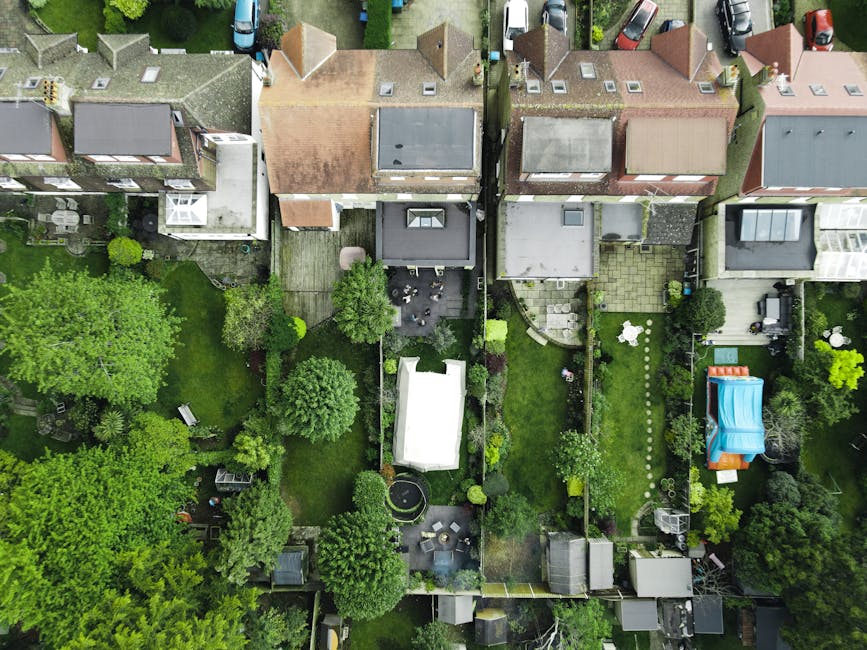
Ealing estate rubbish clearance guide for South Ealing residents
If you live in South Ealing, you already know estate rubbish can build up fast. One missed bulky item, a broken wardrobe left by the bins, or a corridor full of flat-pack packaging, and suddenly the whole place feels untidy. This Ealing estate rubbish clearance guide for South Ealing residents is here to make the process simpler, calmer, and a lot less guesswork-heavy.
Whether you are a tenant, leaseholder, landlord, housing officer, or part of a residents' association, the basics are the same: clear the waste safely, stay within building rules, and avoid turning a small mess into a bigger one. Truth be told, the hardest part is usually not lifting the waste. It is deciding what should be removed, what needs separate handling, and how to do it without annoying everyone else on the estate.
Below, you will find a practical guide to how estate rubbish clearance usually works, what matters most in South Ealing, and the choices that tend to save time, stress, and awkward phone calls. No fluff. Just useful steps, sensible advice, and a few things people often only learn after a bin area starts smelling a bit too "interesting".
Table of Contents
- Why estate rubbish clearance matters in South Ealing
- How estate rubbish clearance works
- Key benefits and practical advantages
- Who this is for and when it makes sense
- Step-by-step guidance
- Expert tips for better results
- Common mistakes to avoid
- Tools, resources and recommendations
- Law, compliance, standards, and best practice
- Options, methods, and comparison table
- Case study or real-world example
- Practical checklist
- Conclusion
- Frequently asked questions
Why estate rubbish clearance matters in South Ealing
Estate rubbish clearance is not just about making things look tidy. On a busy South Ealing estate, waste can affect access routes, fire safety, hygiene, neighbour relations, and the general feel of a building. A single pile of rubbish in a shared area can quickly become a magnet for more rubbish. It happens quickly, almost annoyingly so.
For residents, that matters because shared spaces are, well, shared. If someone leaves a mattress, old shelving, or renovation offcuts in the wrong place, everyone sees it. Everyone smells it too, if it sits there long enough. And if rubbish blocks a hallway, stairwell, service yard, or communal bin store, it can create practical problems that go beyond appearances.
South Ealing has the kind of housing mix where estate waste issues can vary a lot. You might be dealing with a low-rise block, a converted building, a managed estate, or a cluster of flats with tight access. The waste itself may include broken furniture, tenant move-out waste, white goods, garden cuttings, builders' debris, or general accumulation from a flat that has just been cleared. Different waste types need different handling, and that is where a clear plan helps.
There is also a social side to it. People are far more likely to keep communal areas in good shape when they feel the place is being looked after properly. A clean bin store tends to stay cleaner. A cleared landing feels calmer. A messy one invites more of the same. It is a simple bit of human behaviour, really.
Expert summary: The best estate clearance is usually the one that removes waste quickly, keeps shared access safe, avoids complaint chains, and leaves the site properly reset rather than half-finished.
How estate rubbish clearance works
At its simplest, estate rubbish clearance means collecting unwanted items from shared or residential estate spaces and removing them for disposal, recycling, or specialist handling. In practice, the process can range from a small tidy-up in a communal bin area to a full clear-out after a tenancy change or refurbishment.
Most proper clearances follow a similar pattern. First, the waste is assessed. Then it is separated into categories such as bulky waste, reusable items, recyclable materials, electrical items, and anything that needs special handling. After that comes loading, transport, and disposal at an appropriate facility or transfer point. The final step, which is often forgotten until later, is leaving the area clean enough that residents are not left with dust, fragments, or stray packaging fluttering about in the wind.
For South Ealing residents, access often shapes the whole job. Is there parking nearby? Are there stairs? Can a van get close enough? Is the estate walkway narrow? Can the collection be done without disrupting residents at the school run or the evening rush? These things matter. They sound small until somebody is trying to carry a sofa down a cramped stairwell.
Clearance jobs also differ by urgency. Some are planned days or weeks ahead. Others are urgent because waste has been fly-tipped, a tenancy has ended abruptly, or a communal area needs attention before an inspection. The more urgent the job, the more useful it is to have a simple process and clear instructions from the start.
Key benefits and practical advantages
Good estate rubbish clearance gives you more than a neat-looking bin store. The benefits are practical, and honestly, a bit underrated.
- Better hygiene: Waste left in communal areas can attract odours, pests, and general mess.
- Safer access: Clear corridors, landings, and external routes reduce trip and obstruction risks.
- Less neighbour friction: When shared areas are cleaned up properly, people have fewer reasons to complain.
- Faster turnover after move-outs: Emptying a flat or shared space is easier when bulky waste is removed in one go.
- More efficient recycling: Items sorted properly can often be handled more responsibly than when everything is mixed together.
- Reduced repeat mess: A properly cleared area is less likely to become the estate's unofficial dumping ground again.
There is also a psychological benefit, which residents notice even if nobody says it out loud. A clean estate feels maintained. People are more inclined to look after it. That is not magic; it is just how environments work. A tidy space tends to stay tidier. A neglected space, on the other hand, has a habit of sliding downhill.
For landlords and property managers, there is a practical upside too: fewer complaints, less emergency cleaning, and a better impression for inspections, viewings, and day-to-day management. If you have ever walked into a shared entrance and thought, "Right, this needs sorting today," you already know the difference.
Who this is for and when it makes sense
This guide is useful for a few different people in South Ealing, and each group tends to have a slightly different problem.
- Residents: If you are moving out, downsizing, or dealing with clutter that has spilled into communal spaces.
- Landlords: If a tenant has left items behind or the property needs clearing before re-let.
- Managing agents: If rubbish is affecting shared access, bin stores, or resident satisfaction.
- Resident associations: If an estate cleanup is being organised collectively.
- Housing teams: If estate waste needs to be addressed alongside maintenance or safety work.
- Contractors: If building work has created packaging, offcuts, or demolition waste that must go quickly.
It makes sense to arrange estate rubbish clearance when waste is too bulky for ordinary bins, too mixed for a simple council pickup, or too urgent to leave sitting around. That includes mattress disposal, broken furniture, bagged rubbish from a large declutter, electrical items, and mixed loads after a flat clearance. In some cases, a stairwell or shared hallway becomes unusable if items are left in the wrong place. Nobody wants that, especially on a rainy weekday when everyone is trying to get in and out without drama.
A good rule of thumb: if the waste is awkward, heavy, or likely to inconvenience other residents, treat it as a planned clearance job rather than "we'll deal with it later." Later has a way of becoming next week. Then next month. You know how it goes.
Step-by-step guidance
If you want to handle an estate clearance properly, it helps to break the job into clear stages. The more organised the start, the smoother the finish tends to be.
- Identify the waste type. Separate general rubbish from bulky items, electricals, recyclables, and anything sharp or hazardous.
- Check the access route. Look at stairwells, lifts, parking, gate codes, and whether the collection point is easy to reach.
- Confirm any estate rules. Some blocks have specific collection windows, storage restrictions, or parking limitations.
- Estimate the volume. A couple of bin bags is very different from a hallway full of dismantled furniture.
- Sort items before removal. If recycling, re-use, or donation is possible, set those items aside early.
- Choose the right clearance method. This might be a man-and-van style pickup, a team clearance, or a more structured managed service.
- Schedule the job at a sensible time. Avoid peak resident traffic where possible. Early morning or mid-morning is often easier than late afternoon.
- Prepare the space. Move breakables, secure doors if needed, and keep shared routes clear.
- Complete the clearance and tidy-up. A proper job ends with a sweep-up, not just "the big stuff is gone."
- Check the area afterwards. Make sure nothing sharp, wet, or hidden has been left behind.
A small but important detail: if the waste has been sitting for a while, there may be more underneath than you first expected. Damp cardboard, loose screws, packaging, and broken bits have a habit of hiding in plain sight. Best to factor that in rather than being surprised halfway through.
A simple decision rule
If the waste is light and limited, a self-managed approach may work. If it is heavy, awkward, or mixed with items that need proper sorting, a professional clearance is usually the safer and less stressful option. That does not mean every job has to be expensive. It means the method should fit the mess, not the other way round.
Expert tips for better results
Here is where a bit of experience saves headaches. Most estate clearances go more smoothly when people think about the practical details early.
- Take photos before the job starts. This helps with records, planning, and resident communication if needed.
- Label anything that is staying. Shared areas have a talent for turning "keep" into "maybe remove" in someone else's eyes.
- Keep one person in charge. Too many voices create confusion, especially in managed blocks.
- Use stacked sorting zones. One area for bulky items, one for recycling, one for electricals, and one for general waste keeps the process clean.
- Watch for hidden risk items. Broken glass, needles, leaking containers, and damaged electricals need extra caution.
- Plan for lift and stair use. If you live in a building without easy access, protect floors and walls as you go.
- Book around resident routines. School runs, bin days, and delivery times can all complicate a collection. A little timing awareness goes a long way.
One of the best habits is to ask, "What will this look like when we are done?" That sounds almost too simple, but it changes the outcome. A clearance that removes the rubbish and leaves the area looking forgotten is only half a clearance. The rest is the tidy finish, and residents notice it more than you might think.
And yes, sometimes the difference is just a broom, a dustpan, and ten extra minutes. Not glamorous. Very effective.
Common mistakes to avoid
Most waste problems on estates are not caused by one huge mistake. They come from a few small ones stacking up. The usual suspects are easy to spot once you know them.
- Leaving items outside too early: This can make the estate look untidy and may encourage more dumping.
- Mixing everything together: It makes sorting harder and can increase disposal complexity.
- Ignoring access issues: A clearance plan that does not account for stairs, gates, or parking quickly becomes a headache.
- Underestimating volume: Many jobs look small until they are all gathered in one place.
- Forgetting about sharps or hazardous waste: These items should never be handled casually.
- Not protecting common areas: Scratched walls and damaged flooring can create avoidable disputes.
- Assuming someone else will tidy up after: That is a fast route to complaints.
Another common issue is poor communication. If residents do not know what is happening and when, they may move waste around, object to items being placed in the wrong area, or assume the job has been abandoned. A short notice, a clear time window, and a named point of contact can make a surprisingly big difference.
Also, do not leave the final bag or the last chair "for tomorrow." Tomorrow is a sneaky thing. It rarely does what you want.
Tools, resources and recommendations
You do not need a warehouse of equipment for a sensible estate clearance, but the right tools make the work safer and cleaner.
- Heavy-duty gloves: Useful for handling sharp or dirty items.
- Wheelbarrows or sack trucks: Helpful for heavy bulky items and longer walkways.
- Protective sheeting or floor covers: Good for communal entrances, stairs, or lifts.
- Straps and blankets: Help move furniture without dragging it along walls and floors.
- Bin bags and rubble sacks: Needed for loose rubbish, smaller pieces, and mixed debris.
- Torches: Handy for checking behind bins, cupboards, or darker storage areas.
- Basic cleaning kit: Broom, dustpan, and disinfectant for the final tidy-up.
If you are organising a bigger clearout, it can also help to create a simple item list before anyone starts moving things. That list acts as a sanity check. It also keeps everyone honest about what is actually going. A chair may be "probably rubbish" until someone asks whether it belongs to a neighbour. Then the whole tone changes.
Where possible, sort items into three broad groups: keep, recycle/reuse, and remove. You do not need a perfect system. Just a consistent one.
Law, compliance, standards, and best practice
For estate rubbish clearance in South Ealing, it is wise to follow UK waste-handling best practice and to be careful with anything that could be considered hazardous, bulky, or commercially generated waste. Local estate rules, landlord policies, and block management arrangements may also affect how and when rubbish can be removed. Because these details vary, it is sensible to check the relevant site rules rather than assume all estates work the same way.
A few broad principles are worth keeping in mind. Waste should not be left in shared access areas where it could obstruct residents or create safety problems. Mixed loads should be handled with care so recyclable materials and special items are not casually bundled together. Electrical items, sharp objects, paint, cleaning chemicals, and damaged materials should be treated cautiously. If you are unsure whether something needs special handling, it is better to ask first than to improvise later.
For managed buildings, good practice usually includes notice to residents, clear collection times, and a tidy finish after the removal. For landlords and agents, records matter too. A brief note of what was removed, when it was done, and any access issues can help if questions come up later. Nothing dramatic. Just sensible admin.
If there is any doubt about the handling of specific items, especially those that could be classed as hazardous or commercially produced waste, a cautious approach is the safer one. Better to slow down for five minutes than create a disposal problem that lasts a week.
Options, methods, and comparison table
There is no single right method for every estate clearance. The best choice depends on volume, urgency, access, and the type of waste involved. Here is a straightforward comparison.
| Method | Best for | Pros | Watch-outs |
|---|---|---|---|
| Self-managed resident clear-up | Small amounts of bagged rubbish or light decluttering | Low cost, flexible, quick for minor jobs | Can be slow, physically demanding, and harder to sort properly |
| Shared resident association cleanup | Communal areas with moderate waste and cooperative residents | Good for community effort, simple planning | Needs coordination and clear responsibility |
| Professional estate rubbish clearance | Bulky items, mixed waste, urgent or larger jobs | Faster, less hassle, better for awkward access and heavy items | Usually costs more than doing it yourself |
| Phased clearance | Large clear-outs or sites with limited access | Reduces disruption, easier to manage over time | Requires more planning and follow-up |
In practice, many South Ealing residents end up choosing a blend of methods. For example, a tenant might bag up small items themselves, then bring in help for the sofa, wardrobe, and leftover electricals. That sort of hybrid approach often makes the most sense. Not everything needs a big operation.
Case study or real-world example
Picture a common South Ealing situation. A resident moves out of a second-floor flat on an estate near the station. The flat is mostly empty, but there are still a broken bed frame, an old chest of drawers, several bin bags, and some flattened packaging left in the communal hallway. The hallway is narrow, and residents are coming and going during the morning.
Rather than dragging everything out in one rushed attempt, the job is broken into a small plan. First, the bulky pieces are checked for access and weight. Then the loose waste is bagged and grouped by type. The resident liaison or building contact chooses a quieter collection window. Floor protection goes down in the entrance area. The clearance is done in one controlled visit, and the space is swept afterwards.
The result is not dramatic, but that is the point. No blocked hallway. No lingering smell. No extra complaints. No one had to play detective about whose sofa was sitting by the bins either. A very ordinary success, which is often the best sort.
That example might sound simple, but real estate clearances usually work best when they are simple. The mess is handled methodically, the building stays usable, and people can get on with their day. In London, that is worth quite a lot.
Practical checklist
Use this checklist before arranging or carrying out estate rubbish clearance in South Ealing.
- Identify exactly what needs removing.
- Separate bulky items, recyclables, and anything potentially hazardous.
- Check building access, parking, and any estate restrictions.
- Confirm whether any items need special handling.
- Decide whether the job is small enough to self-manage or needs professional help.
- Choose a collection time that causes the least disruption.
- Protect walls, floors, and communal entrances if items are being moved through shared areas.
- Keep residents informed if the clearance affects common spaces.
- Take before-and-after photos for your own records.
- Finish with a sweep-up and final walk-through.
- Make sure nothing has been left behind by mistake.
Quick sanity check: if the area looks tidy but still feels unfinished, it probably is unfinished. A final look almost always catches something small, and those small things matter.
Conclusion
Estate rubbish clearance in South Ealing is really about three things: removing waste safely, respecting shared space, and making the building easier to live in afterwards. When it is handled well, the job is not just about disposal. It is about restoring order in a place where lots of people depend on the same corridors, entrances, and bin areas every day.
If you are planning a clear-out, start with the basics: what is being removed, how it will be moved, and what the estate needs to stay calm and safe during the process. Keep the plan simple, keep the area tidy, and do not leave the final sweep for some imaginary later. That little bit of care makes a proper difference.
If you want less stress, fewer delays, and a cleaner finish, taking the time to plan estate rubbish clearance properly is well worth it. A good job has a quiet kind of satisfaction to it. The hallway feels lighter. The bins behave themselves. People notice, even if they do not say much.
Get a free quote today and see how much you can save.
Frequently Asked Questions
What counts as estate rubbish clearance in South Ealing?
It usually means removing unwanted waste from shared residential areas or estate properties. That can include bulky furniture, bagged rubbish, move-out waste, broken items, and other mixed refuse that does not belong in normal daily bins.
Can I leave items next to the communal bins?
Not usually. Items left beside communal bins can block access, attract more rubbish, and create complaints. In many buildings, waste should only be placed out according to the estate's own rules or collection arrangements.
Is estate rubbish clearance the same as a house clearance?
Not quite. House clearance is normally focused on a private property. Estate rubbish clearance often involves shared areas, communal access, or multi-occupancy buildings, so coordination and building rules matter more.
What kinds of items are most common in estate clearances?
Furniture, mattresses, bin bags, cardboard, old appliances, broken household items, and leftover contents from a move-out are all common. Sometimes it is just a few bulky things. Other times it is a very mixed pile, which is where planning helps.
How do I know whether I need professional help?
If the waste is heavy, awkward, urgent, or spread across shared access areas, professional help is often the easier option. If it is just a small amount of light rubbish and you have good access, you may be able to manage it yourself.
What should I do with electrical items?
Electrical items should be handled separately where possible. They can need different disposal routes from general rubbish, so it is sensible not to mix them into a normal waste pile without checking how they should be managed.
How can I reduce complaints from neighbours during a clearance?
Give notice if the job affects shared areas, choose a sensible time, keep routes open, and finish with a proper clean-up. People are much more tolerant when they know what is happening and the disruption is limited.
Do I need to sort recycling before the clearance starts?
It helps a lot. Even basic sorting into recyclable, reusable, and general waste makes the job smoother and can improve how the material is handled afterwards. It also reduces confusion once the pile starts growing.
What if the waste includes sharp or hazardous items?
Those items should be treated carefully and separately. Do not mix them into general rubbish. If you are unsure how to handle something safely, pause and get proper advice rather than guessing.
How long does an estate rubbish clearance usually take?
That depends on volume, access, and the type of waste. A small clearance may be fairly quick, while a larger or more complicated job can take longer. The easiest way to avoid surprises is to assess the site properly first.
Will the area be cleaned after the rubbish is removed?
It should be. A proper clearance normally includes a tidy-up so the area is left usable and presentable, not just empty. That final sweep is easy to underestimate, but it matters more than people think.
What is the best first step if I am not sure where to begin?
Start by listing the items and looking at access. Once you know what needs removing and how difficult it will be to move, the rest becomes much easier to plan. Simple first step, big difference. That is usually the story.